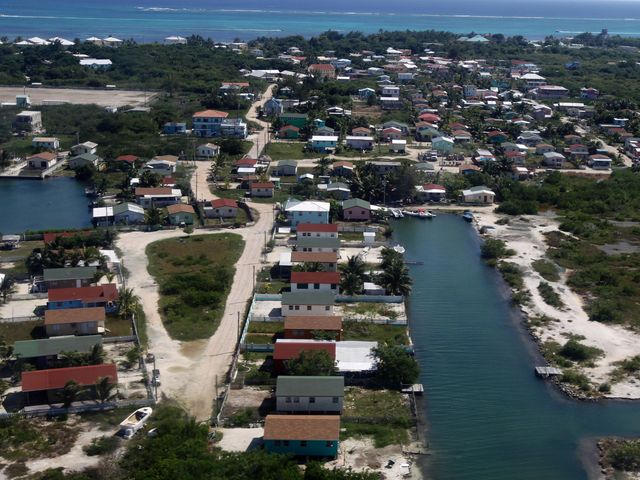
BELIZE
Education & Poverty in Belize
Scroll to exploreBelize at a Glance
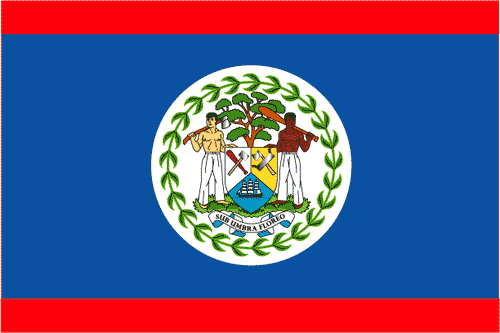
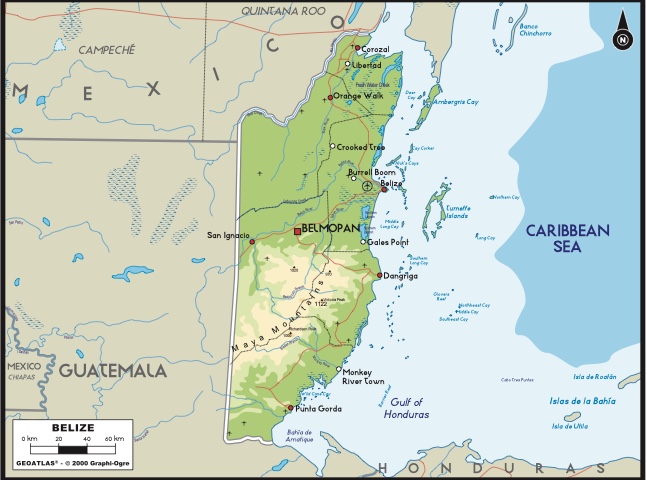
Belize sits on the Caribbean coast of Central America, bordered by Mexico to the northwest and Guatemala to the west and south. It was the last British colony on the American mainland, gaining independence in 1981. English is the official language, and the country is one of Central America's most stable democracies. The climate is tropical, with a dry season from February to May and a wet season from May through November (CultureGrams; Britannica).
The economy depends heavily on agricultural exports: bananas, cacao, citrus, and sugarcane. More than half of the population (55.4%) lives in rural areas. The GDP per capita is $13,300 USD, but government attempts to expand the economy through borrowing led to a debt crisis in the mid-2000s, limiting the funds available for education and social programs (CultureGrams; Britannica).
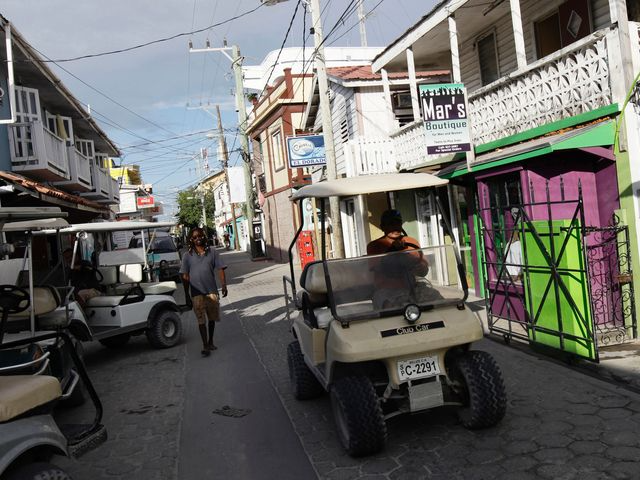
More than half of all Belizeans live in poverty (Education Sector Plan).
In 2009, Belize's national poverty rate stood at 41 percent. By 2018 it had risen to 52 percent, meaning more than half the population now lives below the poverty line (Education Sector Plan). Rural areas carry most of that weight: rural poverty stands at 42.5 percent, more than double the urban rate of 20.6 percent (FAO). Poverty rates vary widely by district.
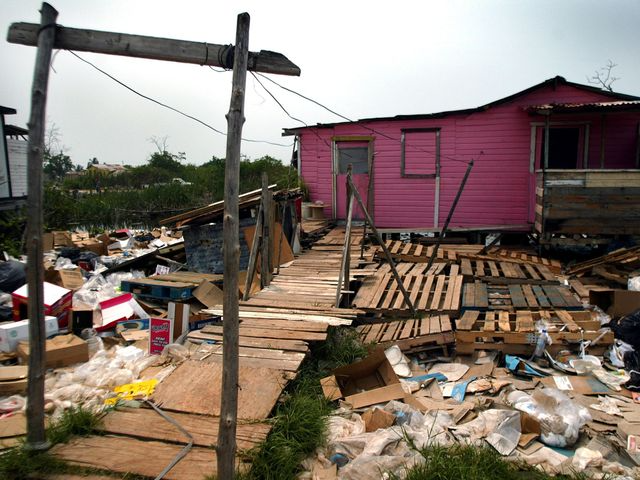
49% of all Belizean children live in multidimensional poverty. 6 in 10 lack at least one basic need: nutrition, clean water, housing, or access to education (UNICEF).
COVID made it worse. A 2023 IDB study found a 55% drop in math achievement, a 51% jump in urban secondary dropouts, and an estimated $243 million in lost lifetime earnings for affected students (IDB COVID Study, 2023).
The Canadian government's travel advisory reports no medical facilities in rural areas, only two paved highways in the entire country, and one of the highest per-capita murder rates in the world, with gang violence concentrated in Belize City (Canada Travel Advisory).
"More youth are outside the school system than in it and many fail to make the transition to the workforce. Action is needed if Belize is not to lose a whole generation of youth."
Thesis: To break the cycle of poverty in Belize, the government must expand free secondary education, increase rural vocational training, and invest in agricultural jobs.
Education in Belize
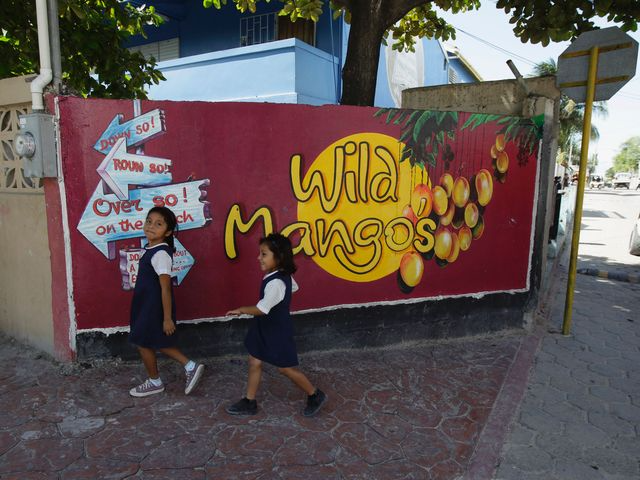
The IDB's report found that only 45 percent of secondary-school-age children in Belize were enrolled, and only 3 in 10 in rural areas. Only primary school is compulsory, and getting into secondary school is not automatic: students have to pass an entrance exam, and families have to cover fees, uniforms, and supplies themselves. The Ministry of Education's own plan lists affordable education as a goal it has not yet achieved (IDB; Education Sector Plan; CultureGrams).
Boys drop out at higher rates, often to work in agriculture (UNICEF).
How Poverty & Education Reinforce Each Other
In 2013, the Inter-American Development Bank studied Belize's education system and found a feedback loop: poverty keeps kids out of school, and not going to school keeps families poor (IDB). The same cycle is still ongoing today.
In households where the head of the household has no formal education, nearly two-thirds (64 percent) live below the poverty line. This is the highest poverty rate of any household type measured in the Ministry of Education's sector plan (Education Sector Plan).
Households where the parent only completed primary school still have a 55 percent poverty rate, only nine points lower. The IDB's wage data shows why: workers who finished primary school earn about the same as workers who never went to school at all. Primary school does not raise wages or reduce poverty (Education Sector Plan; IDB).
Wages change at the secondary level. Workers who finish secondary earn BZ$895 a month, more than double what primary school leavers make. But secondary costs money, and the IDB found that in rural Belize only 3 in 10 students attend (IDB).
Workers with vocational training earn BZ$1,303 a month, roughly triple what primary school leavers earn. The IDB found this to be the highest return of any education level in Belize, yet only 611 students nationwide were enrolled in vocational programs (IDB).
Breaking the Cycle
The IDB, FAO, and ILO each point to the same three changes.
Free Secondary Education
The Ministry of Education acknowledges that reduced family income limits school participation, and its own plan lists affordable education as a goal it has not yet achieved. Removing the out-of-pocket costs of fees, uniforms, and supplies is the most direct lever for closing the enrollment gap (Education Sector Plan).
Vocational Training
Vocational training returns roughly three times what secondary does, yet receives just 2 percent of the government's education budget (IDB). Closing that gap means funding vocational programs at a level closer to what the returns justify.
Agricultural Investment
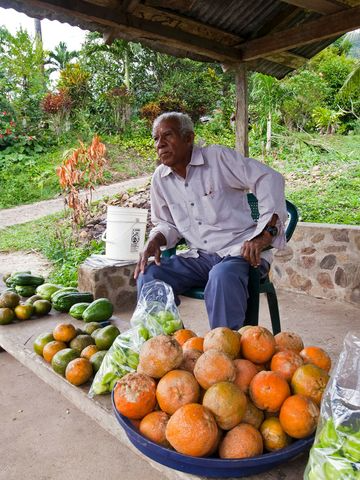
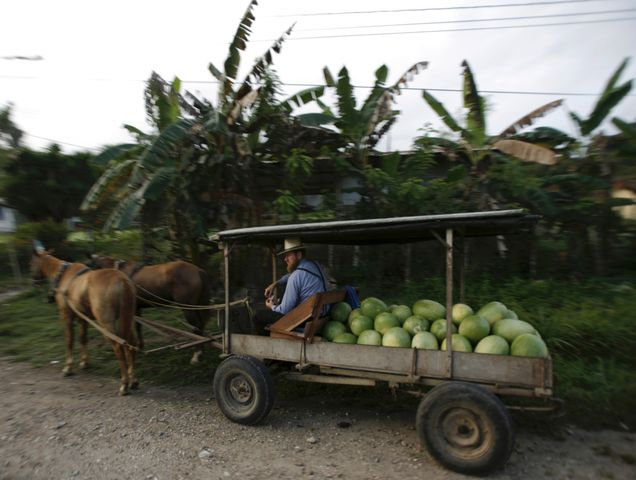
One in five Belizeans works in farming, and three-quarters of them are smallholders without enough land or capital to earn more. The FAO found that agricultural workers are the single most likely occupational group to fall into the country's lowest income bracket (FAO).
The gender gap in enrollment lines up with this picture. UNICEF reports that only 57 percent of boys are enrolled in secondary school compared to 63 percent of girls, and attributes the difference partly to boys leaving school to work in agriculture (UNICEF). Lower farm incomes and earlier dropout reinforce each other.
Belize imports roughly 40 percent of its food while farmable land sits unused, and bananas, cacao, citrus, and sugarcane are already the country's top exports (FAO; CultureGrams). Investment in smallholder productivity would raise the wages of the poorest workers in the country.
Belize is not alone in underspending on vocational training. Low- and middle-income countries invest less than 0.2 percent of GDP in vocational training, compared to 0.46 percent in high-income countries. Roughly one in four young people worldwide is not in education, employment, or training, and for young women the share is closer to one in three (ILO).
What Comes Next
The IDB, the Ministry of Education, the FAO, and the ILO point to the same three things: secondary enrollment below the regional average, vocational training reaching only 611 students nationwide, and agricultural workers concentrated in the lowest income bracket. Belize cannot break the cycle of poverty and education without addressing all three.